A large-scale experiment finds that brief online videos explaining democratic principles — rights, checks and balances, accountability — measurably strengthen support for democracy and reduce acceptance of authoritarian alternatives, even among the politically disengaged.
New federal AI policy fast-tracks data center permits while stripping local governments of oversight — a test case for whether infrastructure governance flows from communities or concentrates upward with federal and corporate power.
A decade-long commercial fishing ban across the Yangtze basin — affecting an area the size of Mexico — shows early signs of reversing biodiversity loss. The scale of intervention required reveals what ecological restoration actually demands.
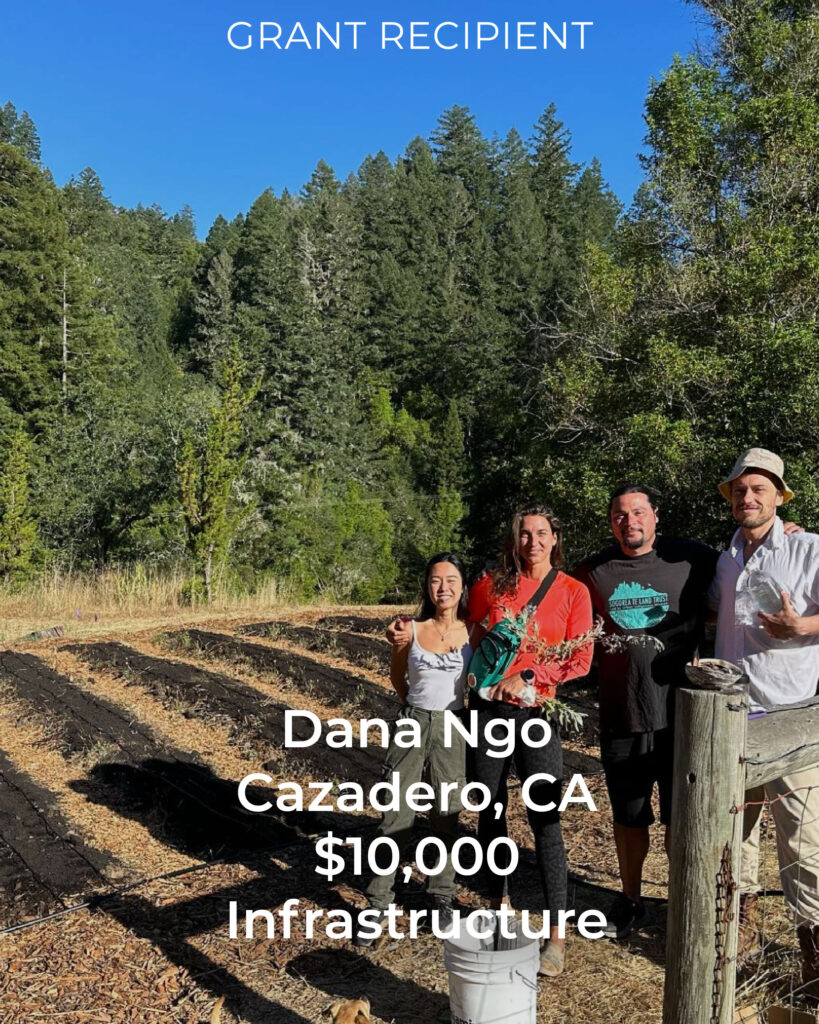
Direct grants to small-scale farmers reduced transition risk for regenerative practices across 73,000 US acres in 2025. Now the work shifts from capital deployment to storytelling — connecting eaters to the human systems behind soil governance.
New lifecycle analysis reveals bioplastics reduce carbon but harm ecosystems more than fossil alternatives — a material governance challenge where the only path to climate targets involves reducing demand itself.
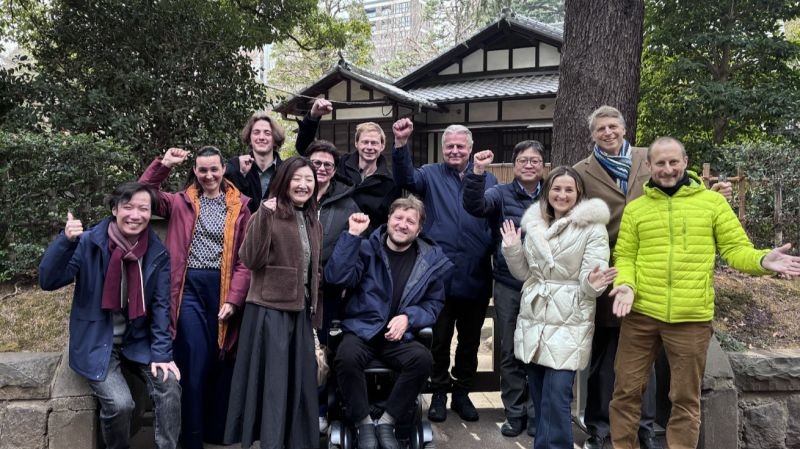
The Alliance for Water Stewardship released Version 3.0 of its certification standard at Suntory's Tokyo headquarters, bringing stakeholder engagement and catchment-level planning to corporate water management across the Asia-Pacific region.
A PhD student at Learning Planet Institute examines how education within prisons shapes justice capital and institutional recognition — testing whether carceral systems can transform or merely replicate inequality.
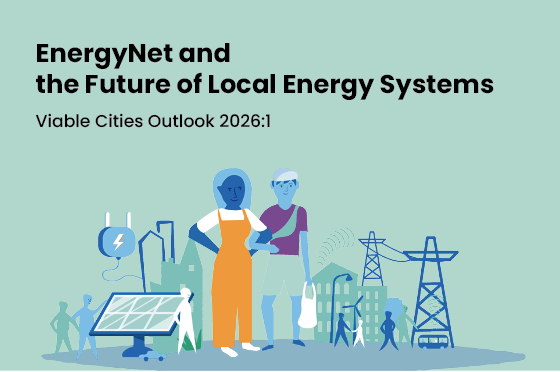
Viable Cities explores how local energy systems can reshape urban climate action — not just as infrastructure, but as participatory governance. The EnergyNet model, tested in Lund, treats energy as a coordinated system involving households, property owners, and municipalities.
V-Dem's annual assessment finds 74% of humanity now lives under autocracy, with 44 countries actively autocratizing. The US loses liberal democracy status as freedom of expression and legislative constraints deteriorate worldwide.
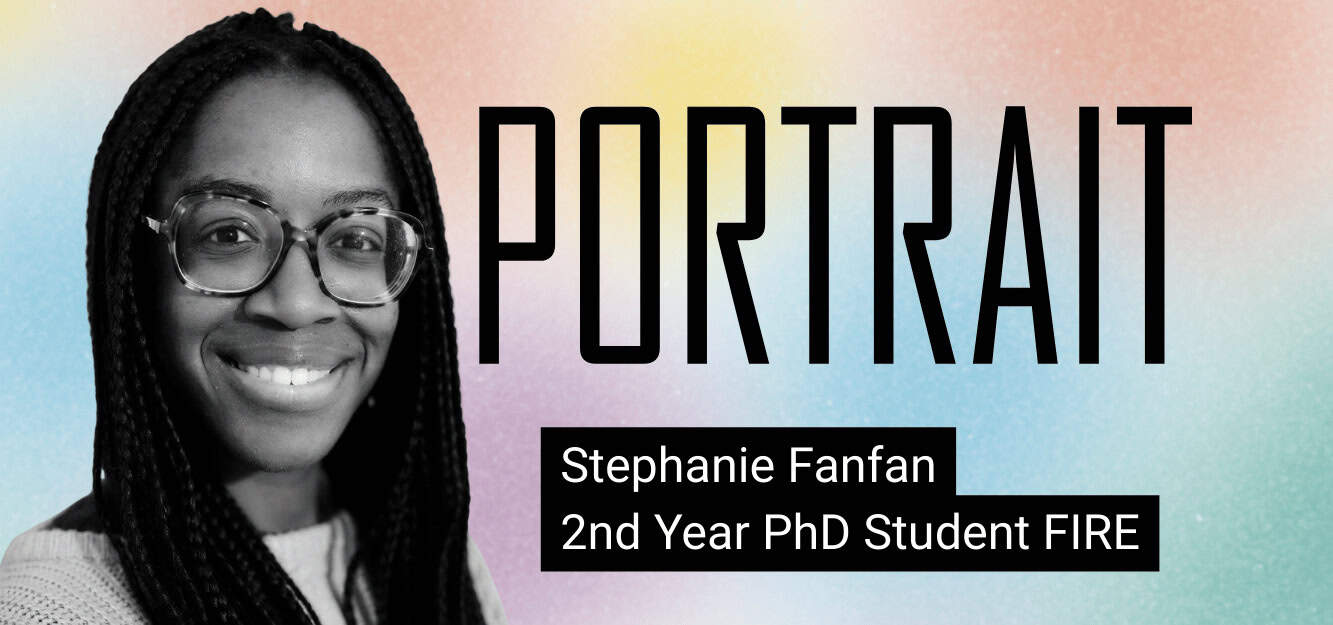
A doctoral researcher at FIRE examines bacteriophages to understand life's fundamental coupling of form and function — a question with implications for how we design adaptive, living governance systems.
A new PhD student joins the FIRE Doctoral School at Learning Planet Institute, bringing a background in agronomy and molecular biology to questions of research and learning systems. Another researcher entering the work of governance experimentation.
The Alliance for Water Stewardship releases Version 3.0 of its certification framework, refining how corporations engage with watershed governance beyond efficiency metrics — a shift toward catchment-scale accountability as water becomes boardroom risk.
As great powers fragment the UN human rights system, a coalition of 90 countries — half from the global south — is testing whether one-country-one-vote can still anchor planetary governance in shared rules rather than fortress politics.
A new documentary shows how rewilding in Ukraine's Danube Delta operates as both ecological restoration and social healing — restoring natural processes while offering veterans and communities a lived practice of renewal amid war.
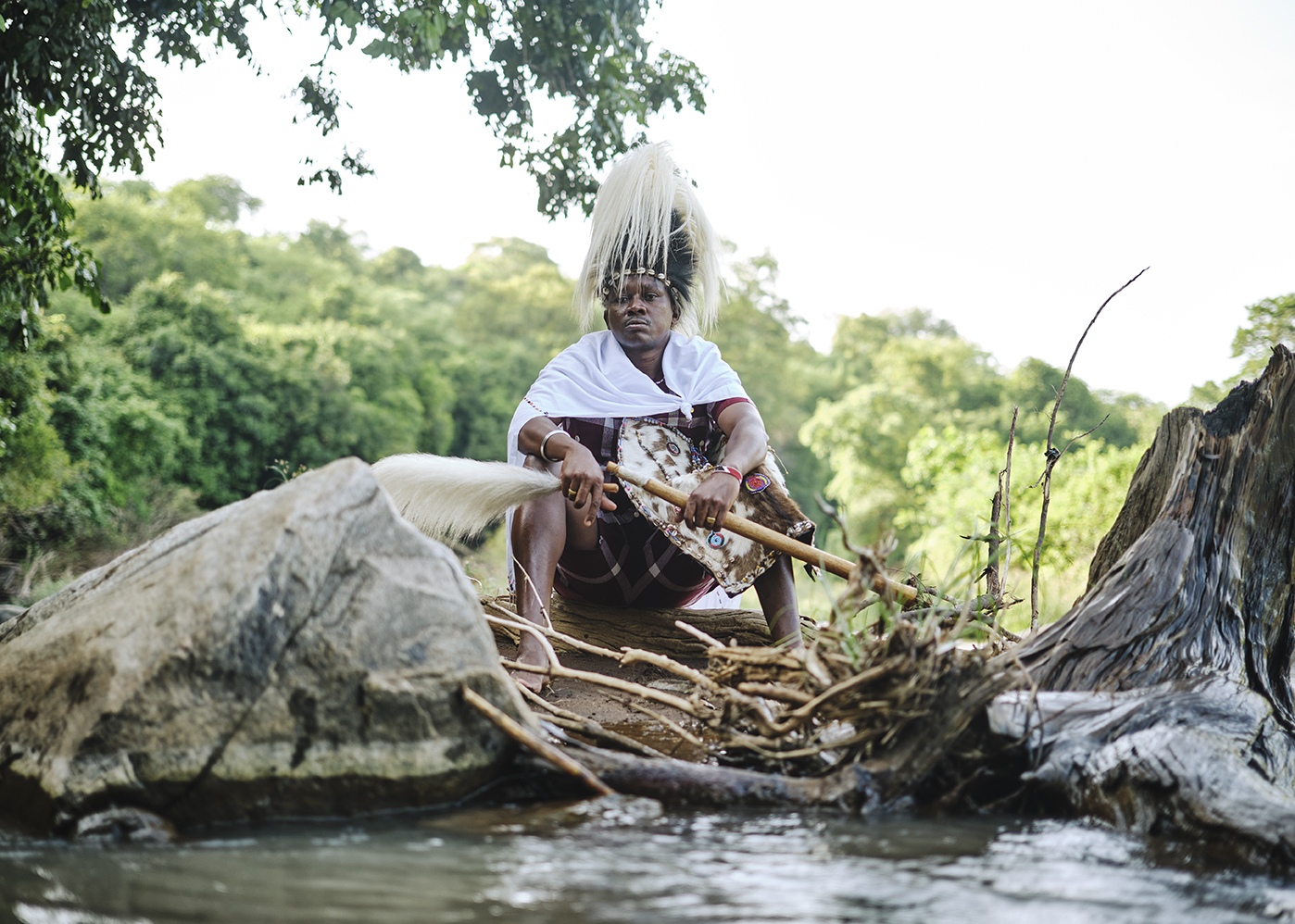
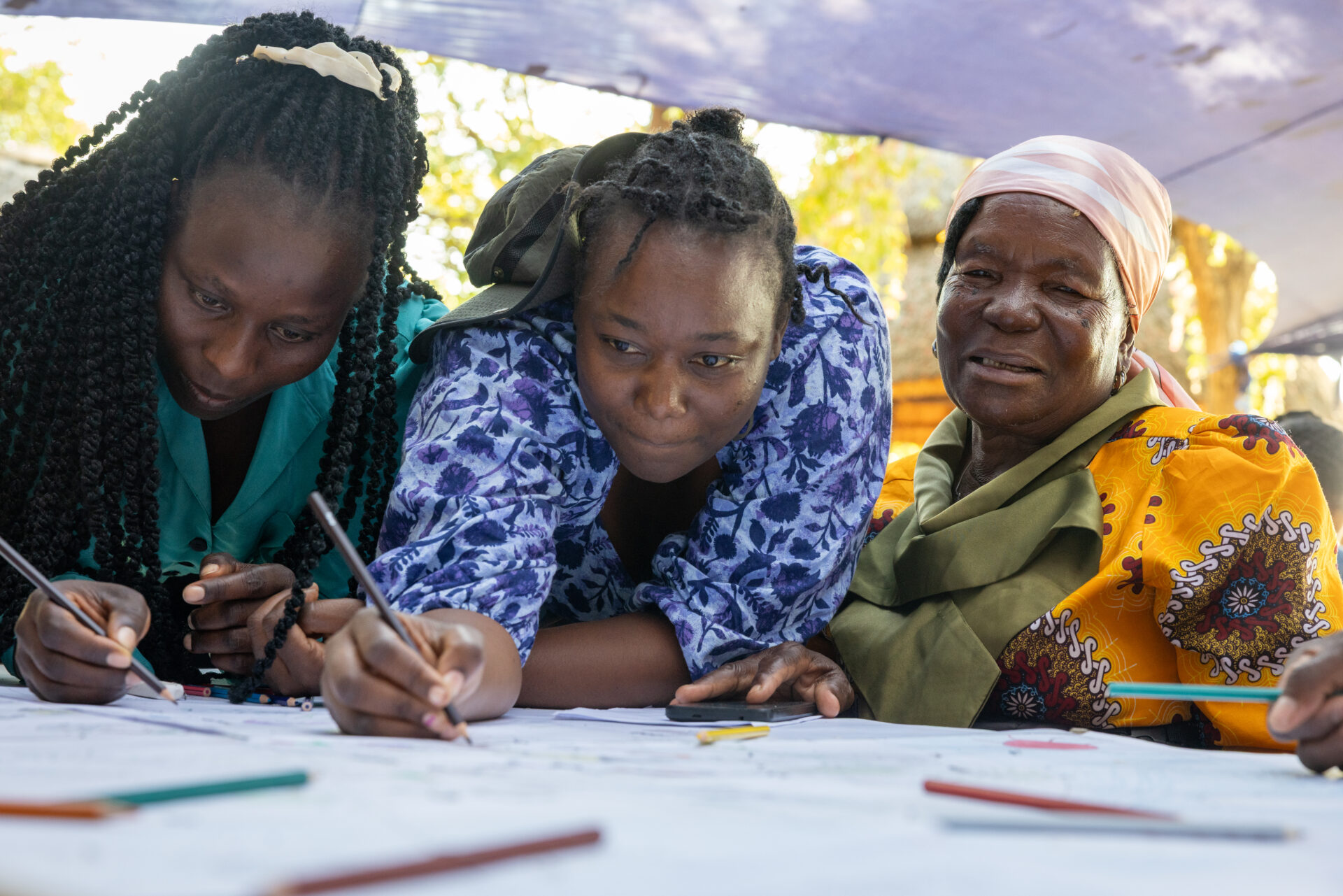
The Tharaka community in Kenya adapts Amazonian mapping methods to create Life Plans — participatory governance tools that weave seed sovereignty, sacred site protection, and customary law into a holistic vision of territorial stewardship.
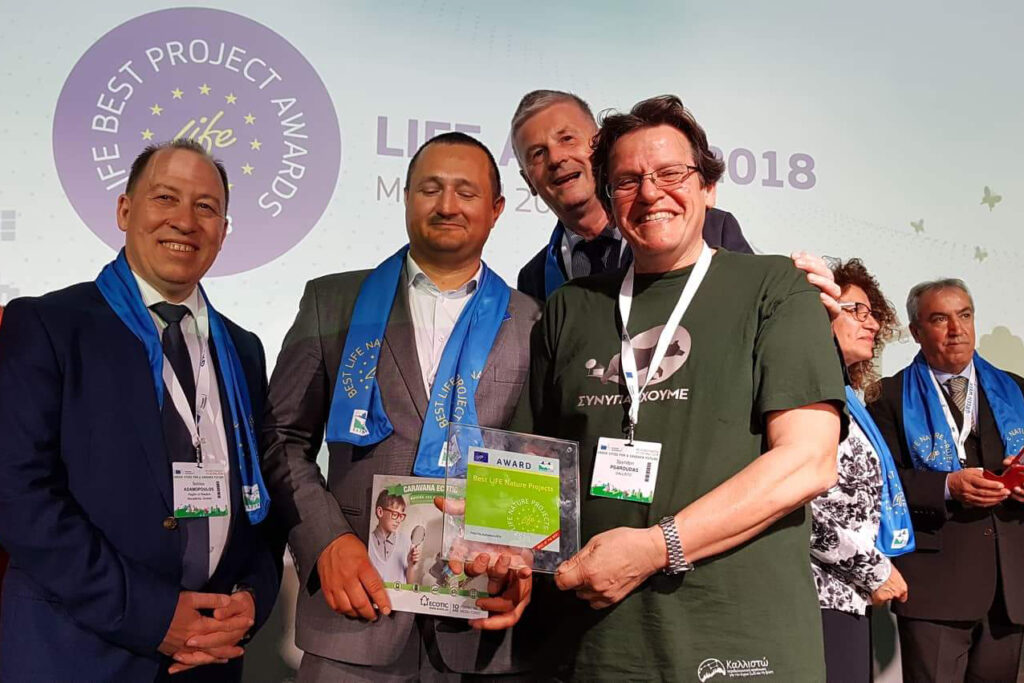
The European Rewilding Network adds CALLISTO and Marine Rewilding Türkiye to its roster of over 100 initiatives — one focused on human-carnivore coexistence, the other on coastal ecosystem recovery. Both embed local communities in restoration governance.
The Swedish foundation behind the New Shape Prize has announced a new round of funding for proposals that address gaps in planetary-scale governance. This cycle emphasises prototyping over theory — a shift that aligns closely with The Garden's approach.
Community land trusts in Kensington and beyond are testing whether neighborhoods can govern their own futures against displacement. It's hyperlocal democratic innovation with a clear thesis: ownership structures are governance structures.
The Brussels-based network coordinating Europe's agroecological transition is hiring operations capacity — a quiet signal of organizational maturity in a movement linking farmers, researchers, and activists across borders.
Nestlé's achievement of AWS certification across 39 bottling sites raises deeper questions about how corporations govern shared water resources — and whether certification frameworks can transform extraction into genuine stewardship.
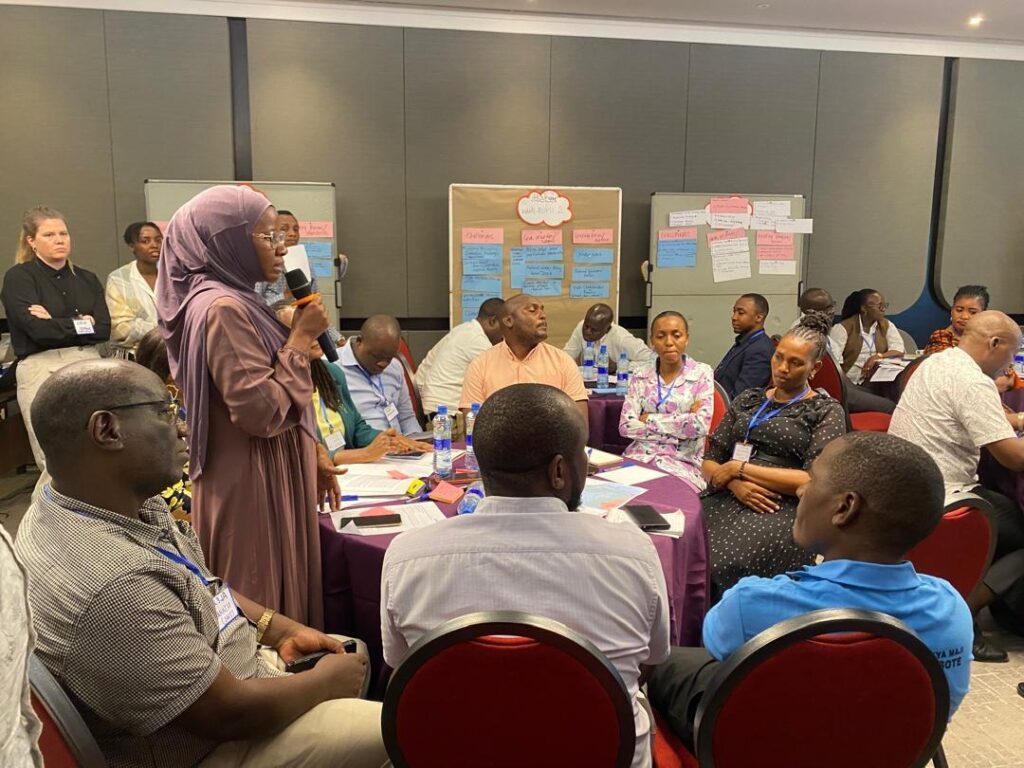
As drought forces weekly water rationing in Dar es Salaam, Tanzania launches water stewardship training for 30+ public officials — an experiment in building trust-based governance between state agencies and private actors around shared catchments.
Bipartisan legislation elevates community land trusts and shared equity programs to federal policy — testing whether ownership models that prioritize stewardship over speculation can operate at scale.
A three-year transnational project examines how nature-based infrastructure performs in post-disaster cities across Japan, Sweden, and Poland — treating urban recovery as a testing ground for ecological governance under stress.
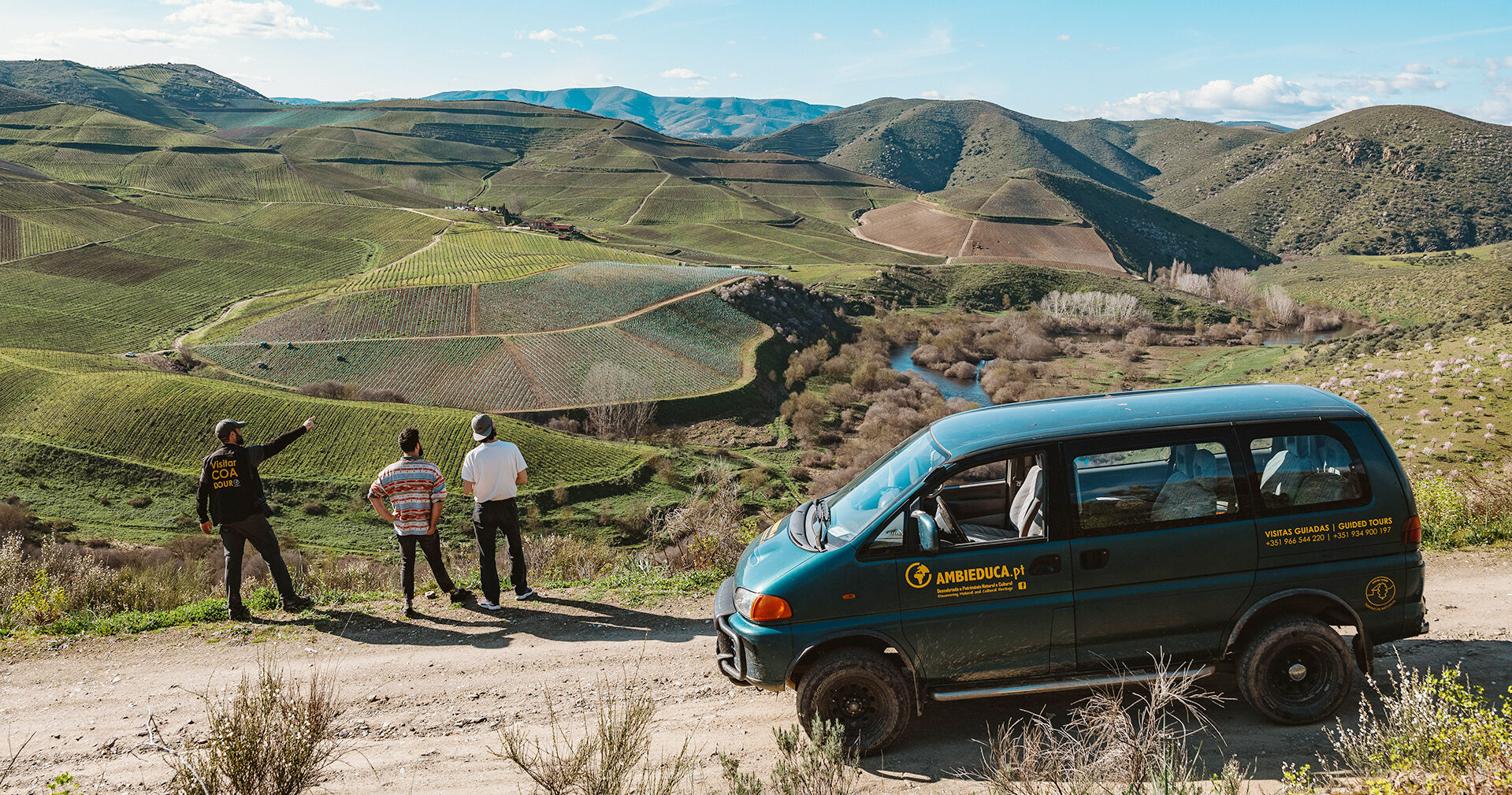
A €40,000 loan from Rewilding Europe Capital enables a Portuguese nature tourism company to expand accommodation in the Greater Côa Valley — testing whether financial tools can align ecological restoration with economic viability in depopulating rural regions.
Kyle Bliffert's journey through the supplement industry traces a shift from theoretical wellness to practiced ecological stewardship. At Gaia Herbs' 270-acre Regenerative Organic Certified farm, governance becomes tangible — tested by hurricanes and fire alike.
The research collective has released a working paper proposing standards for governance tool interoperability — enabling rules and processes to flow between online communities, DAOs, and physical assemblies.
Democracy Without Borders has published a new brochure examining pathways to reimagine global cooperation. The resource synthesizes emerging proposals for multilateral reform and democratic participation beyond borders.
The Brussels-based network — 200 members spanning farmers, academics, and activists — is hiring a communications officer to strengthen its work placing agroecological transition on Europe's governance agenda.
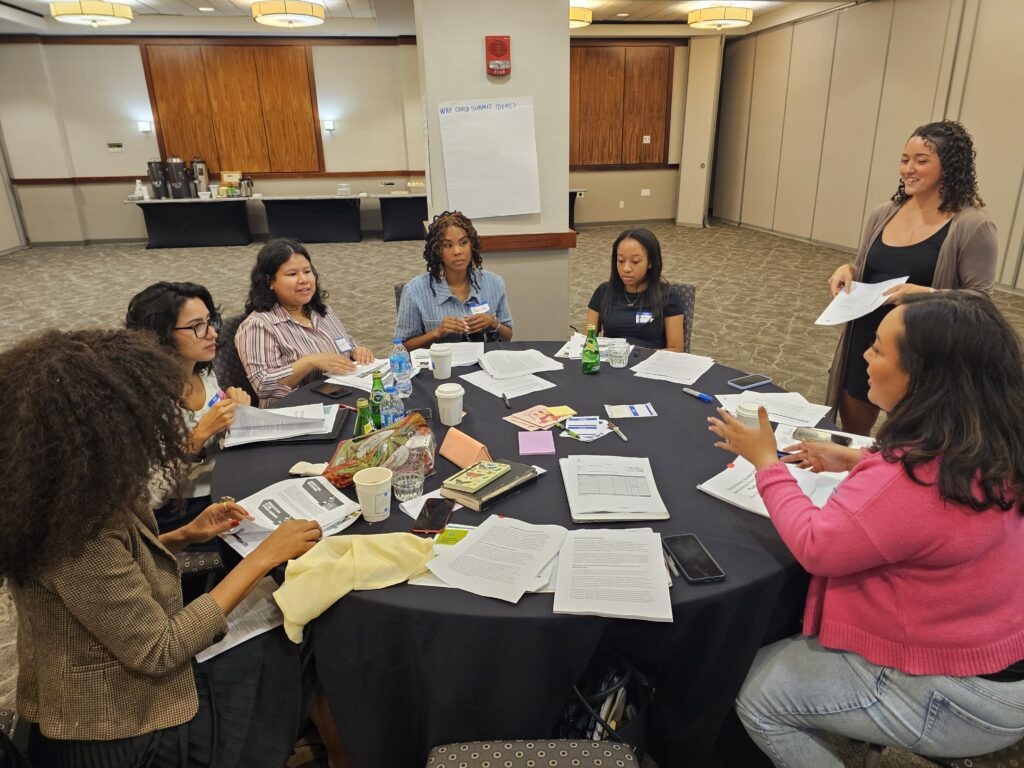
A structured cohort model for participatory budgeting advocacy is generating new processes across New Jersey — including youth-led climate budgeting in Newark. Evaluations reveal what participants need to become effective democratic innovators.
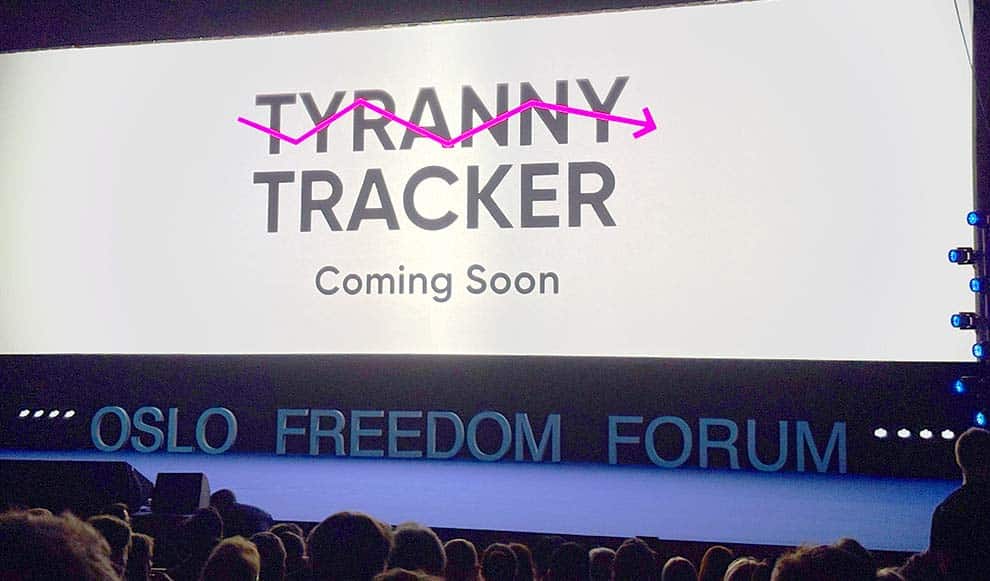
The Human Rights Foundation's Tyranny Tracker distinguishes democracies from hybrid and authoritarian regimes using qualitative thresholds — not aggregated scores — to capture the moment when democratic systems break down.
The Senate is weighing the 21st Century ROAD to Housing Act, which would expand community land trusts and shared equity models — governance experiments that treat housing as stewardship rather than speculation.
As U.S. and Israeli forces strike Iran, the Climate Justice Alliance frames military action as ecological governance failure — the U.S. military remains the world's largest institutional emitter while resource extraction drives geopolitical conflict.
A five-year mapping project documents hundreds of agroecological initiatives across Europe — from farming practices to living labs — showing how food system transformation happens through distributed experimentation rather than top-down policy.
Transparency International reports global corruption perceptions have fallen to their lowest level in over a decade, with shrinking civic space a common factor in declining scores. The trend reveals how governance legitimacy depends on openness.
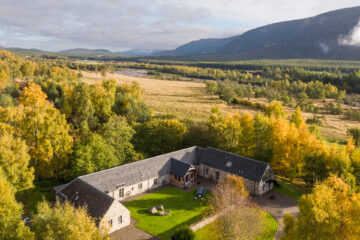
Ballintean Mountain Lodge, a 30-year rewilding experiment in the Cairngorms, joins the European Rewilding Network — a move that underscores how ecological restoration increasingly operates through distributed governance: peer learning, knowledge exchange, and practice-led networks rather than top-down mandates.
A joint comment letter opposes EPA proposals that would weaken Section 401 of the Clean Water Act — the mechanism that allows states and Tribal Nations to condition or deny federal permits based on water quality standards.
Senate Democrats propose ending tax benefits for firms that own 450,000 single-family homes and 2.2 million apartments — treating housing as extractive asset class rather than commons. A test of whether governance can reclaim shelter from financialization.
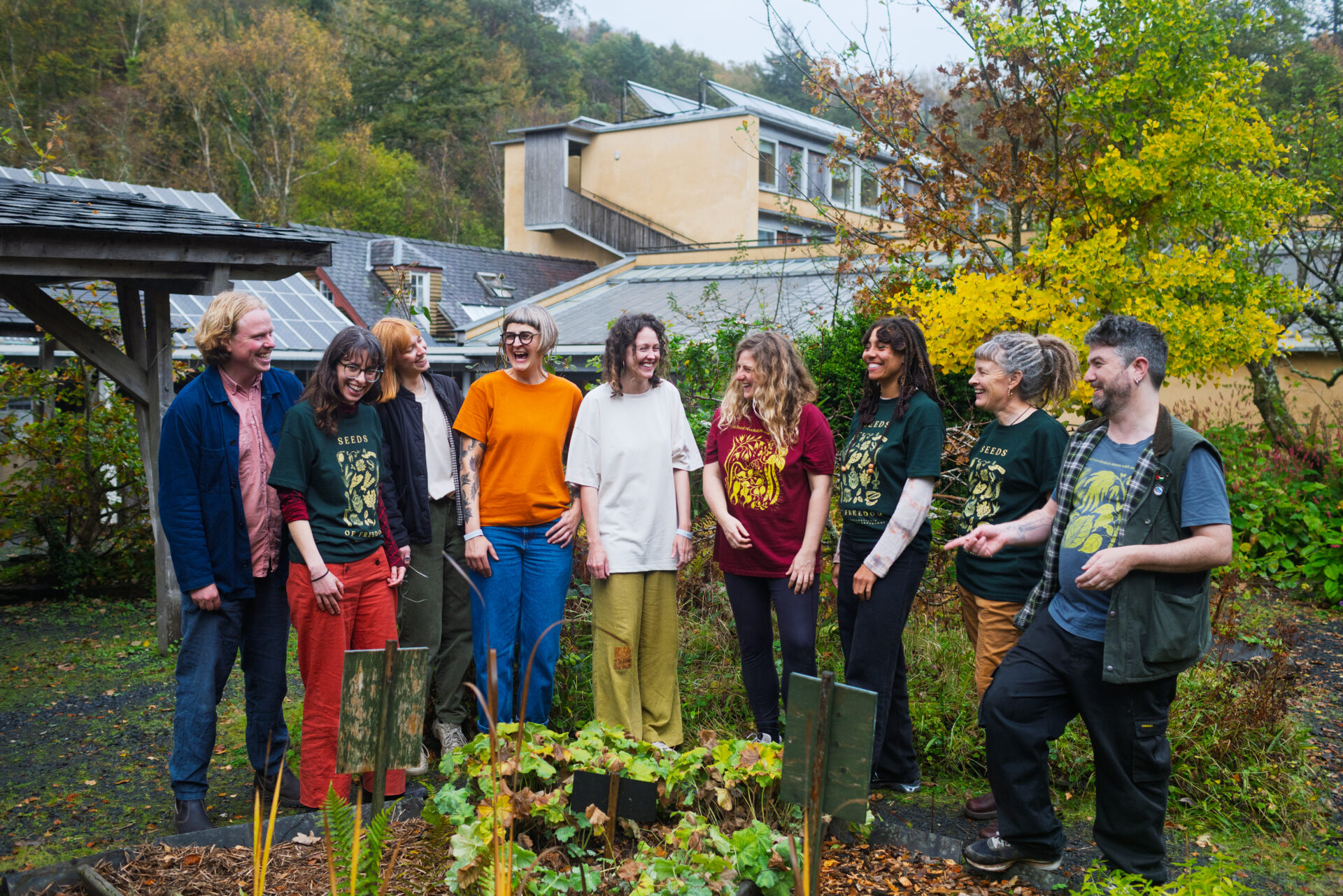
Two new coordinators will work across southern and western England to strengthen grassroots seed networks — governance infrastructure for food systems that roots sovereignty in regional practice and Indigenous knowledge.
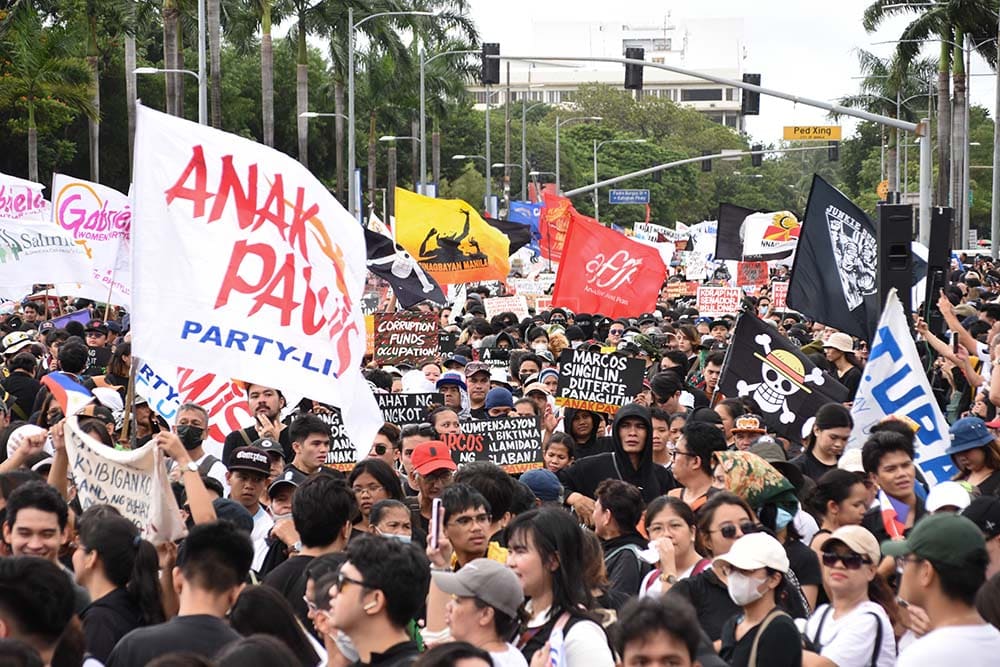
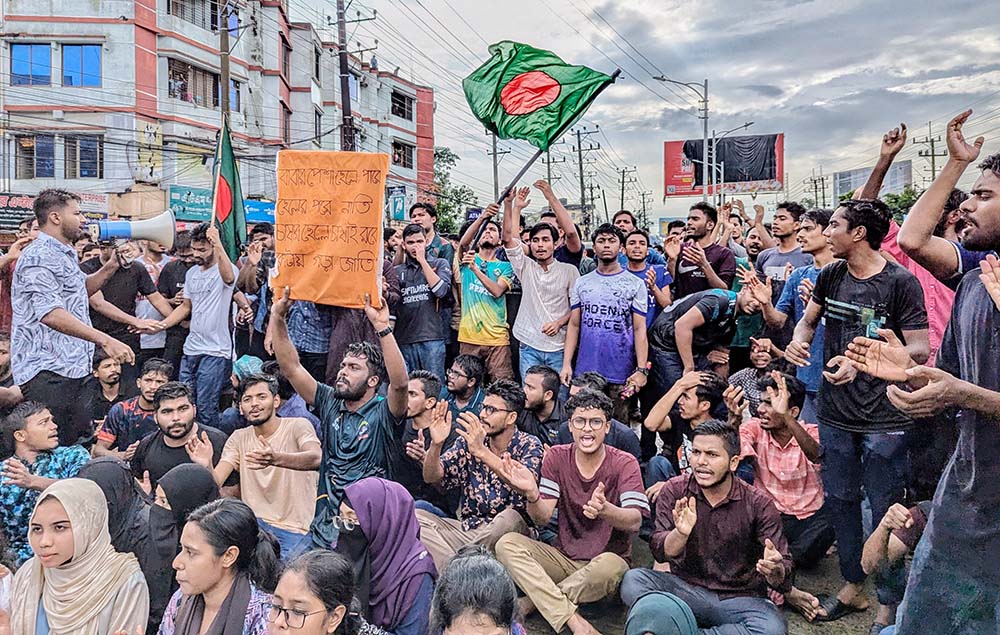
Youth-led uprisings across 11+ countries share grievances about inequality and corruption, but don't point toward a clear democratic renewal. The question isn't whether young people can mobilize — it's whether existing governance systems can absorb their demands.
A developer's constitutional challenge to Cambridge's affordable housing rules could reshape how 1,000+ U.S. inclusionary zoning policies function — testing whether local governance can require shared stewardship of urban space.
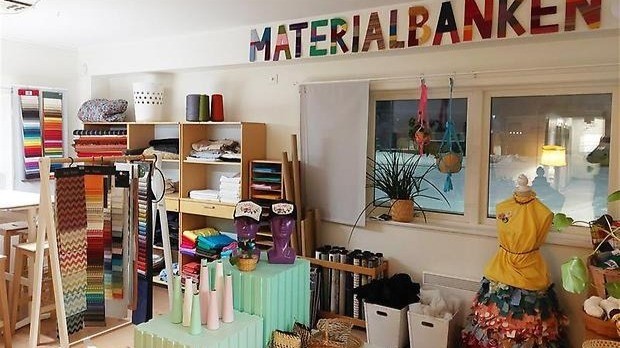
A Swedish municipality embeds circular economy into budget processes and public institutions, treating reuse not as a side project but as core governance infrastructure. The results: 250 tons of CO2 avoided, millions saved, and a model others can copy.
The Global Alliance for the Rights of Nature has convened its fifth tribunal, this time with an expanded mandate covering ocean governance and AI-mediated environmental harm — territory that bridges Garden and Spaceship orientations.
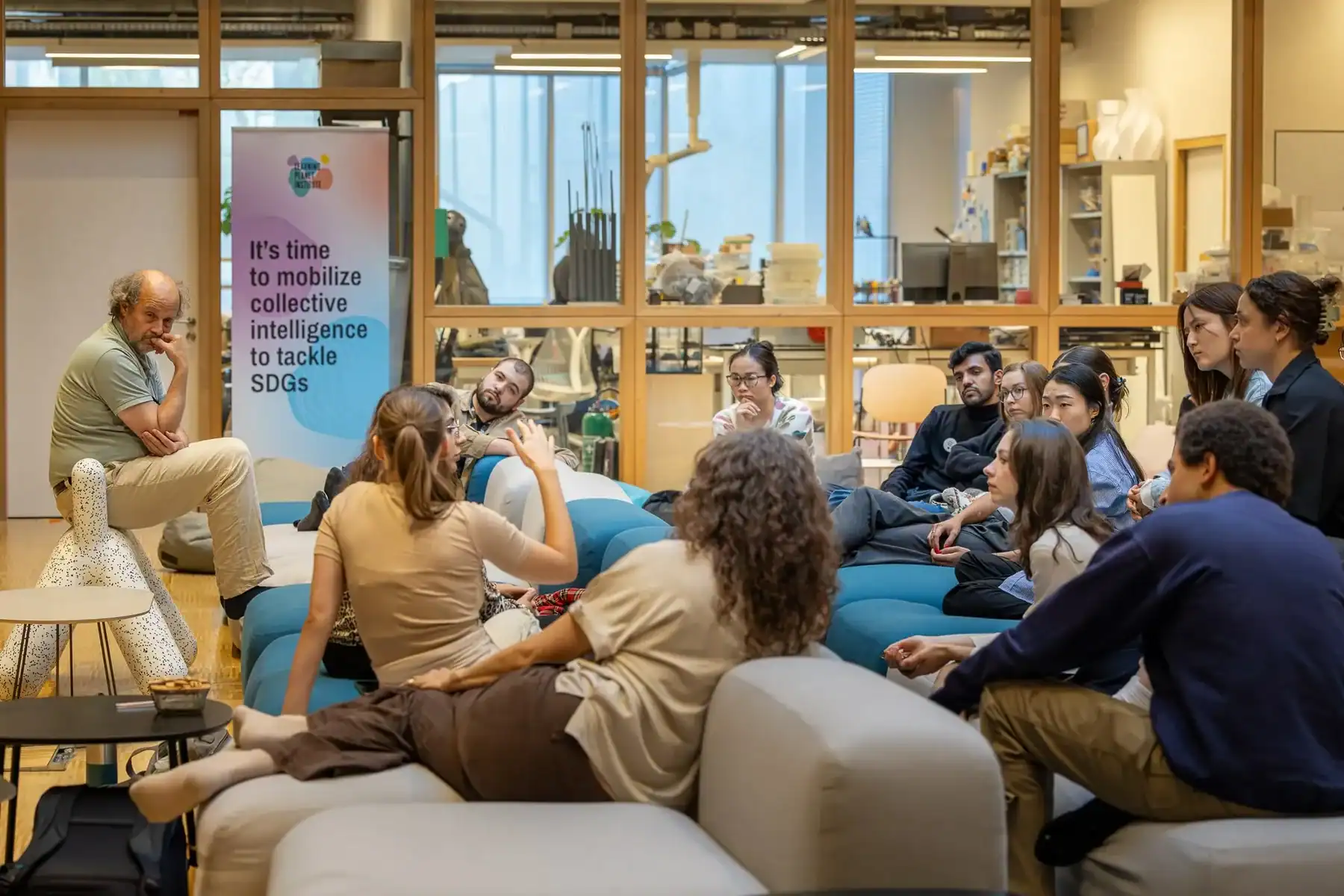
Learning Planet Institute's Graduate School in Paris seeks students willing to cross disciplinary boundaries to address systemic challenges — a model that tests whether academic structures can adapt to planetary-scale problems.
New satellite research reveals that 40% of corn and 60% of wheat depend on land-based rainfall — unstable moisture from forests, wetlands, and soil that agricultural expansion is actively destroying.
The author of Regeneration and founder of Project Drawdown reflects on what regenerative agriculture actually means — not as branding exercise, but as practice that must be felt, verified, and embodied through direct relationship with land and living systems.
Coral reefs could sustainably yield 9,000 additional meals per square kilometer — but only if communities dependent on fishing accept decades of reduced catch. A stark example of governance as temporal negotiation.
As the Rewilding Europe Award deadline approaches, photographer Jon A. Juárez reflects on what makes rewilding imagery matter: not just aesthetics, but the governance relationships between people, science, and returning ecosystems.
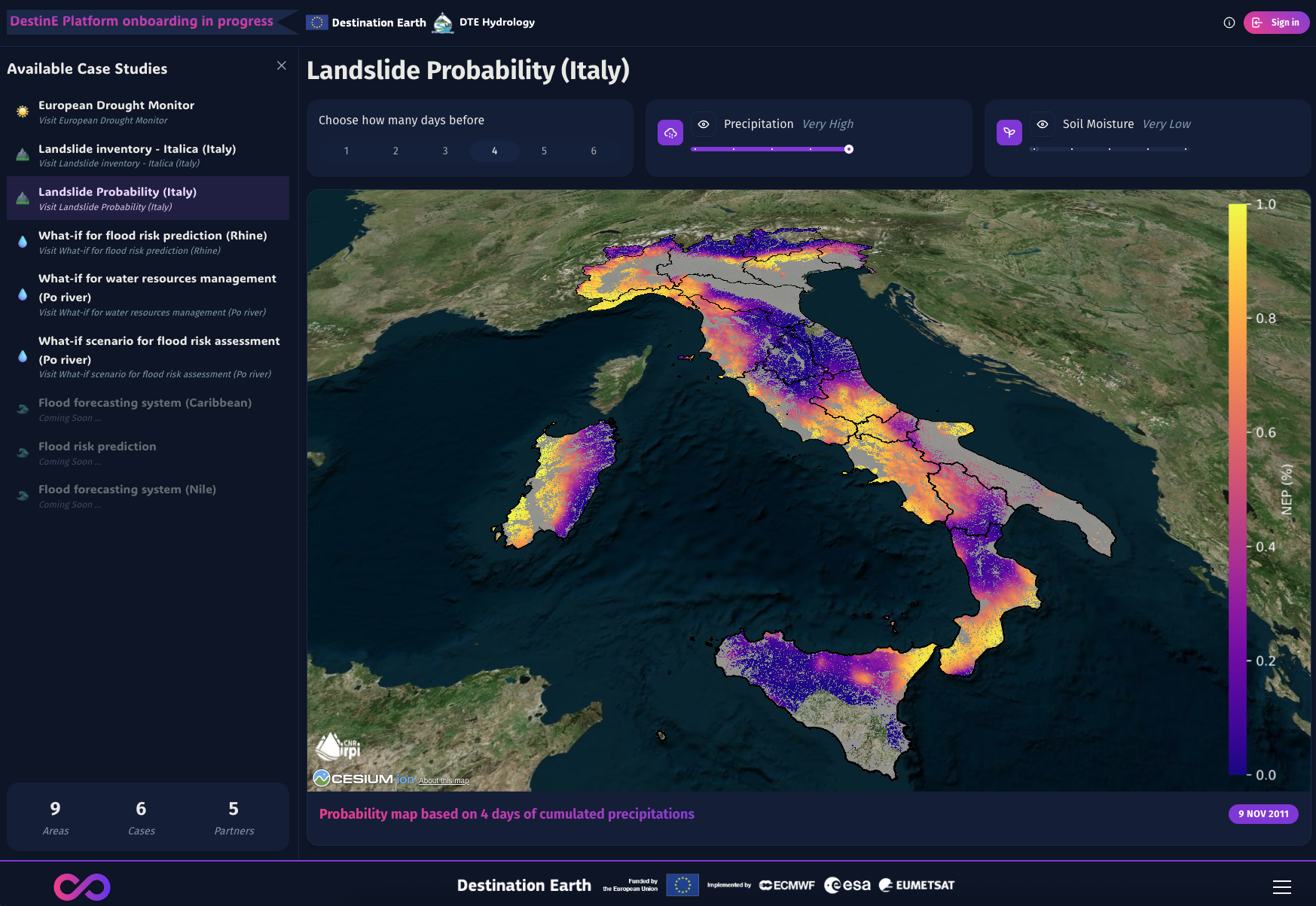
ESA's Digital Twin Earth program creates real-time planetary simulations — not just to model floods or fire, but to stress-test governance responses before disaster strikes. It's scenario planning made operational, fed by satellite data and constrained by physics.
A coalition webinar ahead of UNCCD COP17 reframes pastoralism as regenerative governance — not degradation driver. The challenge: translating centuries of mobile land stewardship into policy that recognizes rights to territory and movement, not just plots.
New assessments from Oxfam, a G20 expert committee, and the World Inequality Lab find billionaire wealth has grown 81% since 2020 while democratic institutions weaken — evidence that governance systems cannot be separated from economic architecture.
Grounded Solutions Network sponsors Nonprofit Quarterly's Leading Edge program, connecting community land trusts and housing justice organizations with management training amid federal funding pressures — infrastructure for the infrastructure.
Grounded Solutions Network partners with Nonprofit Quarterly to give housing justice organizations access to governance training and peer networks — recognizing that transformative systems work requires strengthened organizational capacity.
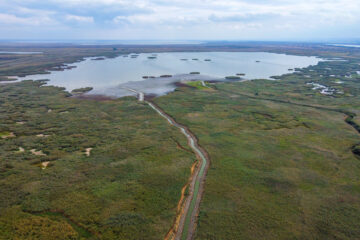
In Ukraine's Danube Delta, six years of restoration has reconnected 18,000 hectares of floodplain to the river — a reminder that ecological governance means reshaping flows, not just protecting boundaries, even under the strain of invasion.
The Learning Planet Institute's co-founder joins a podcast exploring educational models as governance infrastructure — treating learning not as preparation for citizenship but as citizenship itself.
The first fast-track business-biodiversity assessment reveals a stark asymmetry: $7.3 trillion in nature-harming flows versus $220 billion for restoration — a gap that threatens economic stability and requires governance innovation at the intersection of markets and ecosystems.
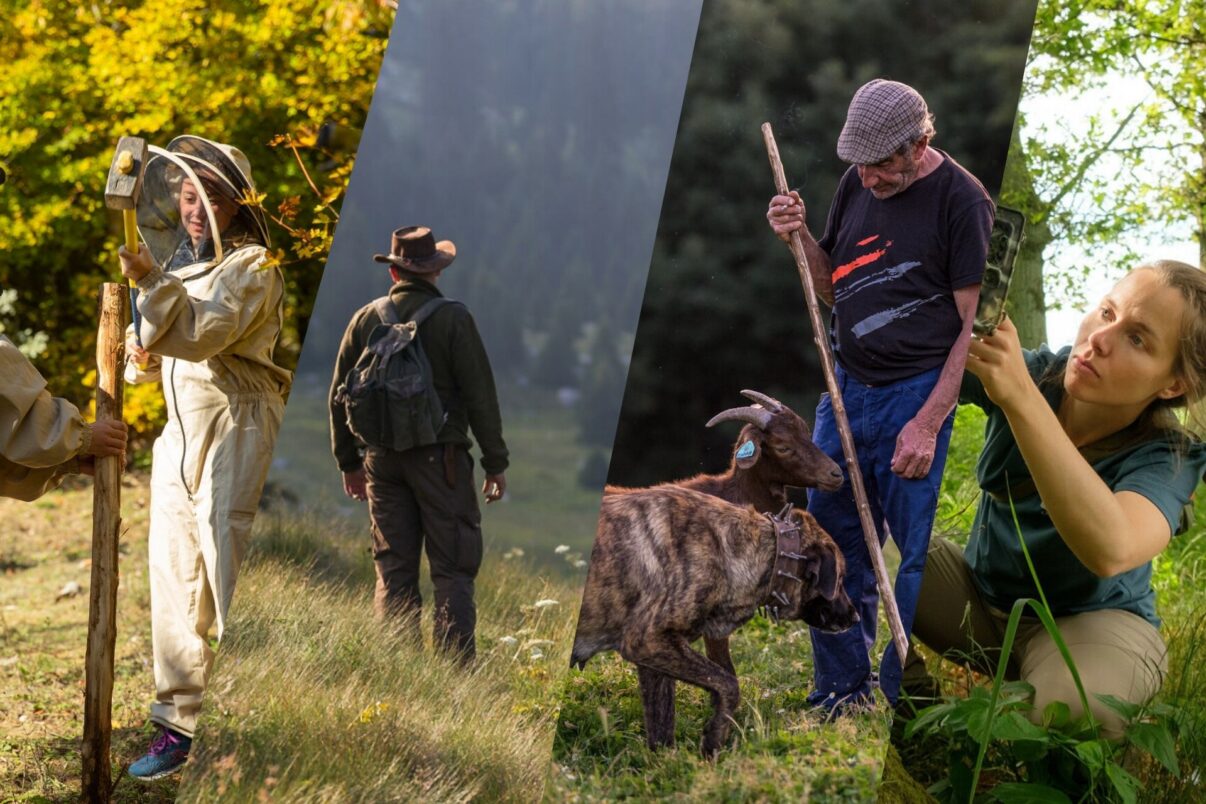
As Europe's wildlife photography competition opens submissions, judge Viktoria Pezzei argues for images that show human hands in ecological work — not pristine wilderness, but the lived practice of restoration.
A new toolkit launched by Rewilding Europe offers municipal leaders practical frameworks for human-wildlife coexistence — recognizing local governance as the crucial layer where ecological recovery becomes lived experience.
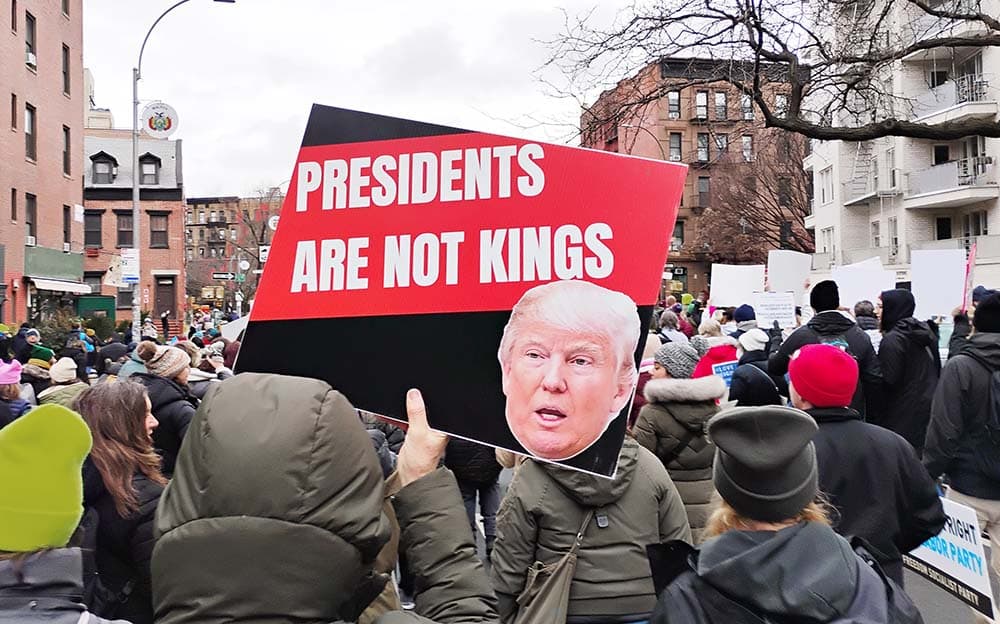
The Trump EPA's revocation of the 2009 Endangerment Finding — the scientific basis for climate regulation — triggers coordinated resistance from environmental justice networks representing millions of frontline communities.
A Habitat affiliate in Washington state has pioneered a debt remediation program while scaling community land trust homeownership — testing new mechanisms for equitable access to housing that lasts generations.
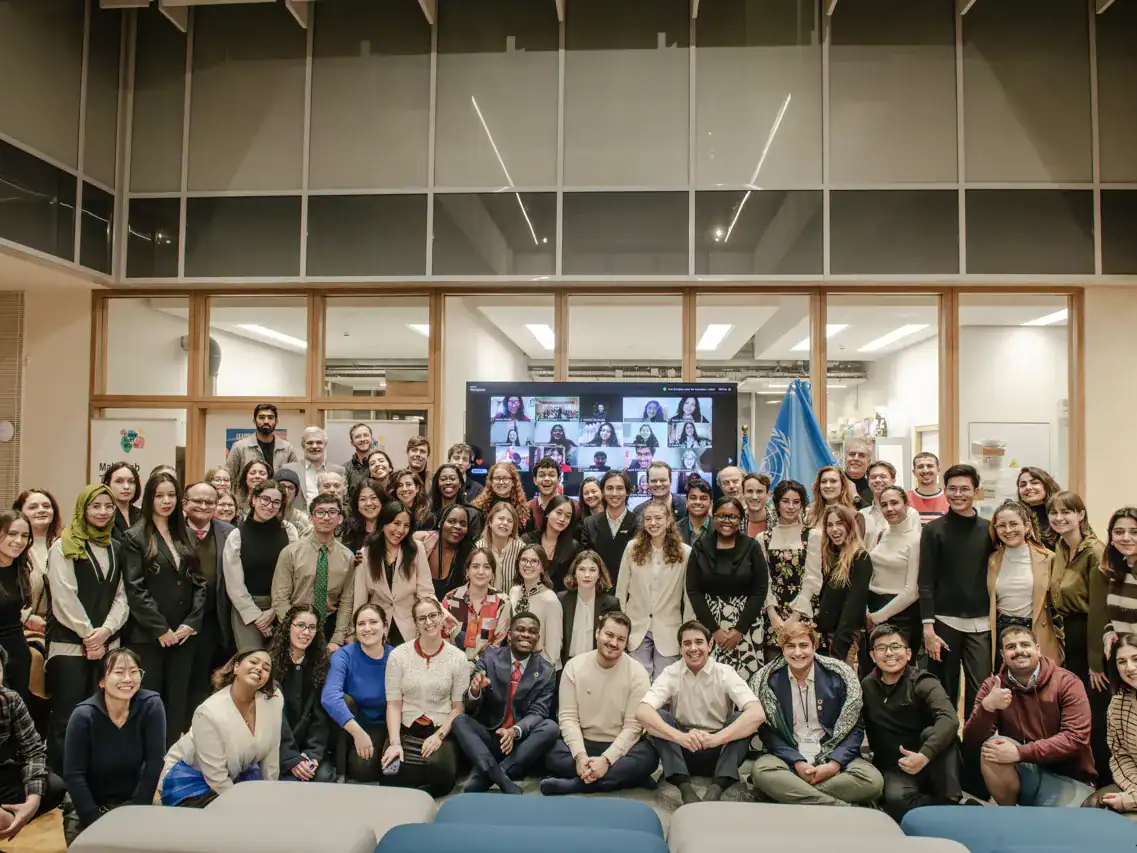
Student delegates at a UN Youth Office dialogue explore what meaningful participation looks like — not merely consultation, but structural influence in institutional decision-making. The event tested frameworks for youth engagement as governance practice.
The UN Youth Compass dialogue tested whether intergenerational governance can move beyond consultation theater. Student participants assessed what meaningful engagement actually requires — not just seats at tables, but power to reshape them.
Viable Cities opens new call to expand beyond its 48-city Climate Neutral Cities 2030 initiative. The expansion tests whether collaborative governance models can scale — a recurring question in transition practice.
From Kenyan clans reviving biocultural knowledge to Antarctic rights advocacy, communities worldwide are rekindling what Thomas Berry called the 'Great Conversation' — governance as relationship, not extraction.
A regional French programme letting forests and wetlands recover without human interference joins a network of 105 rewilding initiatives — advancing a governance model where ecosystems manage themselves.
François Taddei frames hope not as sentiment but as educational architecture — a necessary foundation for governance systems that must adapt to planetary-scale challenges while remaining rooted in human capacity for learning.
The Kensington Corridor Trust removes 30+ properties from speculative markets through a perpetual purpose trust governed by 32,000 local residents — testing whether collective ownership can anchor neighborhoods against displacement.
Belgian-Welsh farmer Ann Owen argues that regenerative agriculture serves corporate interests while agroecology builds practitioner power. The distinction matters: one treats farming as optimization, the other as transformative practice rooted in social and ecological balance.
MOOD — Meaningful Open Opportunities for Discovery — brings 100+ participants into a UN-certified learning experience that frames climate action as both personal exploration and governance practice, testing how structured discovery might scale.
The Global Challenges Foundation and World Economic Forum release assessments showing seven of nine planetary boundaries breached, rising geoeconomic confrontation, and institutional erosion — all pointing to what GCF calls the need for governance that recognizes 'planetary commons cannot be negotiated with.'
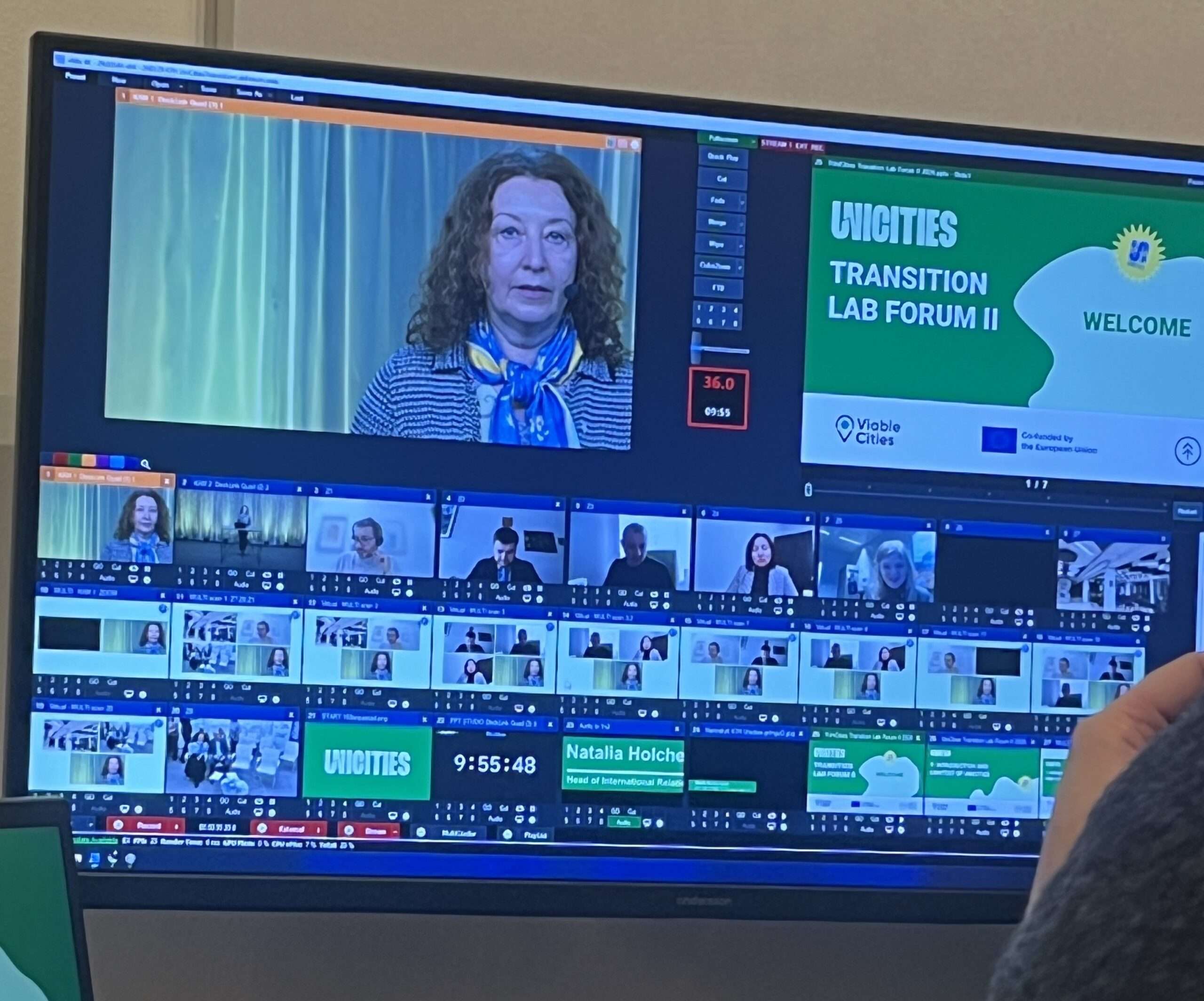
UniCities transitions from project to partnership, positioning Ukrainian universities as laboratories for integrated climate transition and post-war recovery — a model for resilience-centered governance under extreme constraint.
New polling across 31 countries shows falling support for international institutions — not because people reject cooperation, but because they don't see it working. The gap reveals something fundamental about governance at any scale.
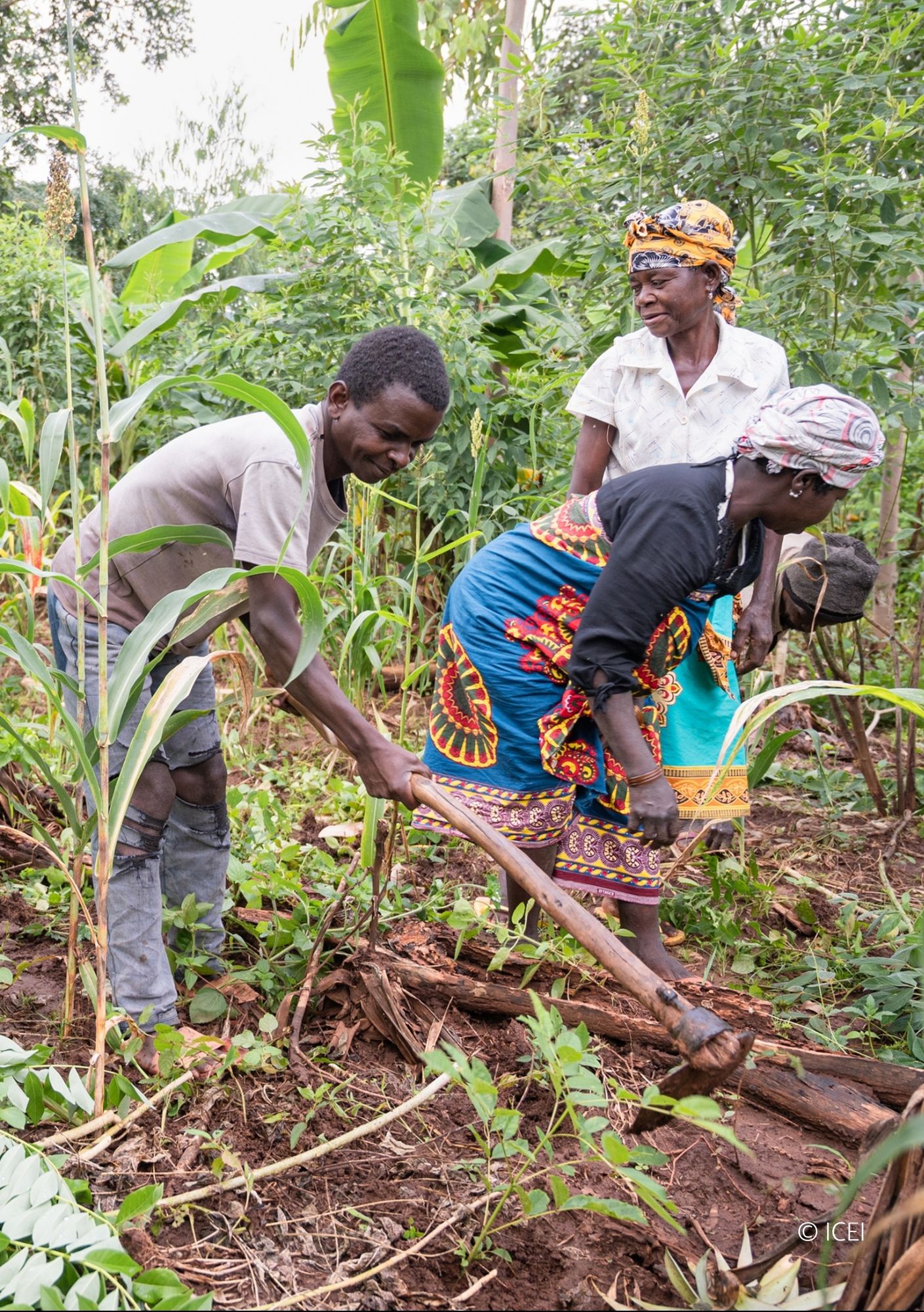
A 3.5-year project in Mozambique embedded agroforestry systems into public institutions and rural communities — showing how regenerative agriculture becomes a form of governance when it restructures land use, diet, and policy in tandem.
The Italian design studio ran a three-day political LARP inside the European Parliament, with MEPs and citizens role-playing a planetary governance crisis. The event drew attention to experiential methods for democratic innovation.
The Climate Justice Alliance frames immigration enforcement as inseparable from climate displacement, calling for mutual aid networks and direct action as federal raids intensify across the U.S.
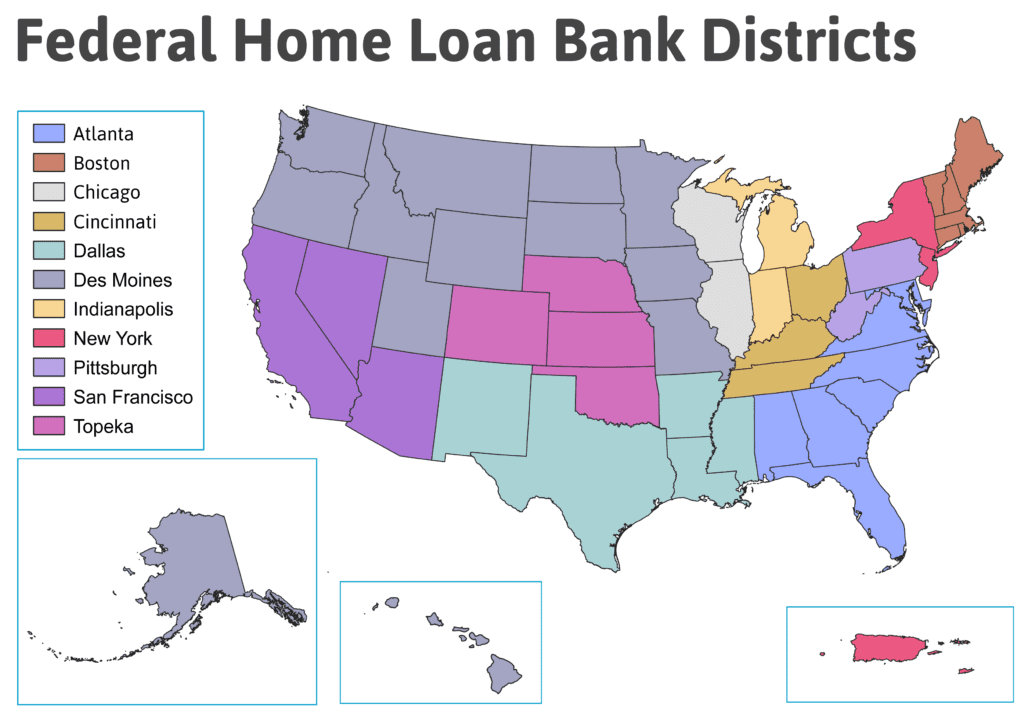
Eleven regional cooperative banks allocate billions for affordable housing through mandated programs — including community land trusts. A case study in how existing financial infrastructure can be steered toward stewardship models.
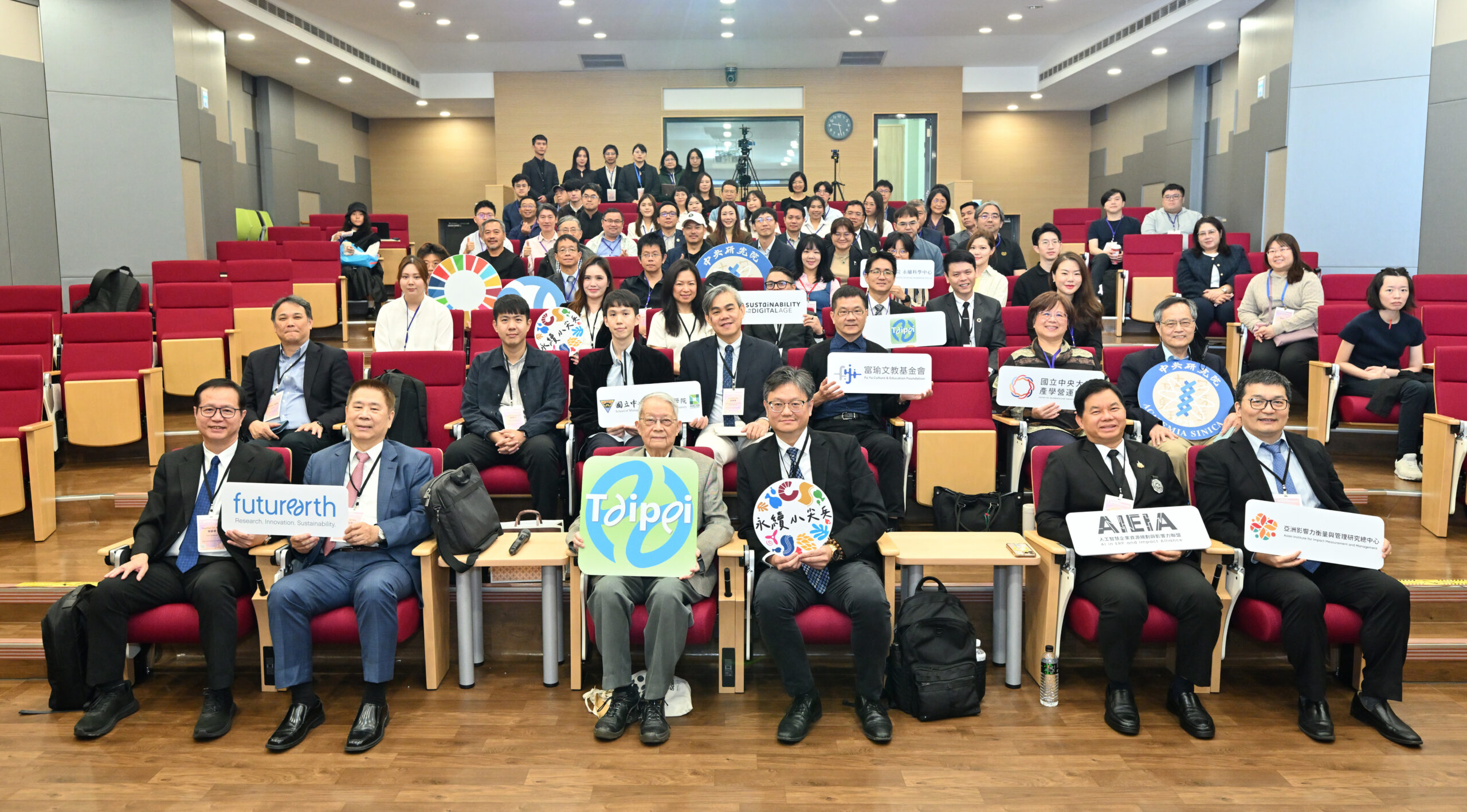
Researchers, policymakers, and industry practitioners gathered in Taipei to explore how artificial intelligence can serve planetary resilience — examining not just technical potential but governance frameworks for equitable deployment.
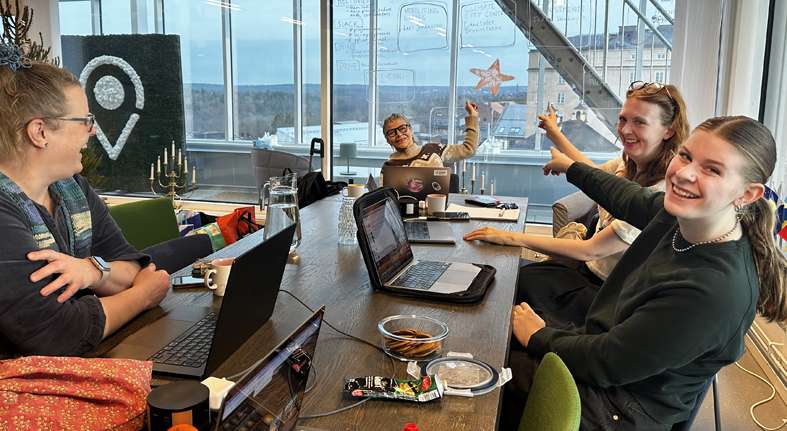
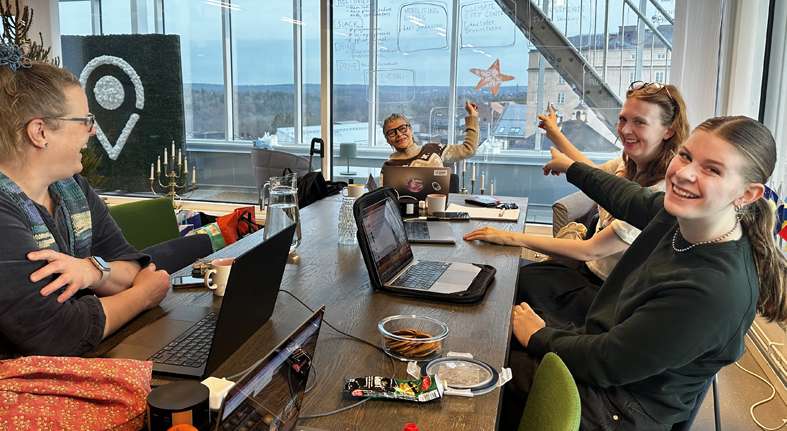
Vendela Karlsson spent autumn 2025 embedded in Viable Cities' communications team, translating urban climate transition work into accessible formats. A small case study in how governance initiatives become legible — and who does that work.
The Learning Planet Institute launches a new academy designed to move beyond traditional credentials toward co-constructed learning pathways that address climate urgency and ecological anxiety — a pedagogical experiment in governance education.
A Swedish mid-sized city maps who pays for climate transition and who benefits — finding that while citizens and industry carry costs, the municipality's role is creating conditions for transformation, not funding it.
Sweden's Viable Cities seeks communications interns to help 29 cities navigate climate neutrality transitions. The work touches a persistent challenge: how to make systemic change legible and compelling to publics who must ultimately enact it.
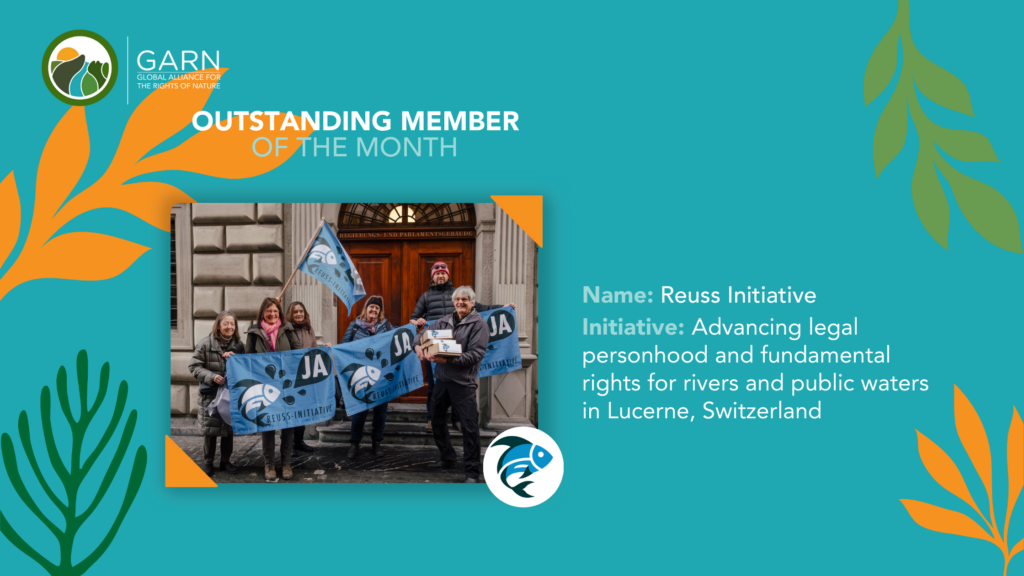
A citizen initiative in Lucerne canton has gathered 5,460 signatures to grant legal personhood to the River Reuss — launching a constitutional process that will test whether democratic systems can recognize nature as a rights-bearing entity.
Researchers at Bonn University developed a self-cleaning filter modeled on fish gills that captures microplastics from washing machines — addressing a governance gap where household infrastructure meets ocean pollution.
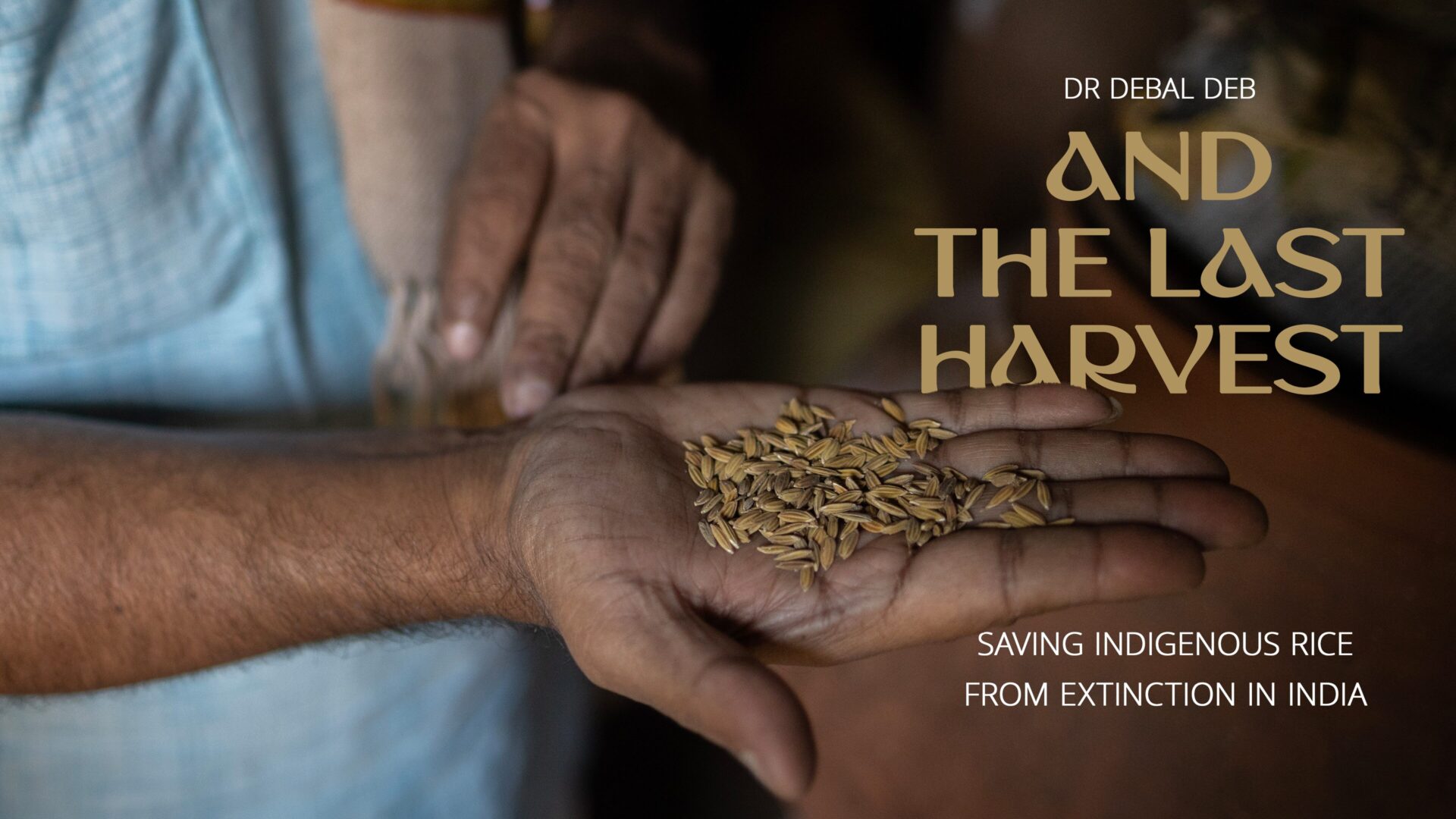
Dr Debal Deb has spent 30 years conserving indigenous rice from remote Indian tribes — an act of ecological stewardship that doubles as governance practice, returning seed sovereignty to farmers after decades of corporate monoculture.
Researchers propose harvesting boreal forest timber and sinking it in the oxygen-poor Arctic Ocean — a carbon removal method that sidesteps infrastructure costs but raises questions about who governs such planetary-scale interventions.
Nine European bison have been released in Spain's Iberian Highlands as part of a cross-European study testing how keystone species can restore degraded landscapes — and whether rewilding can offer viable development pathways for depopulating rural communities.
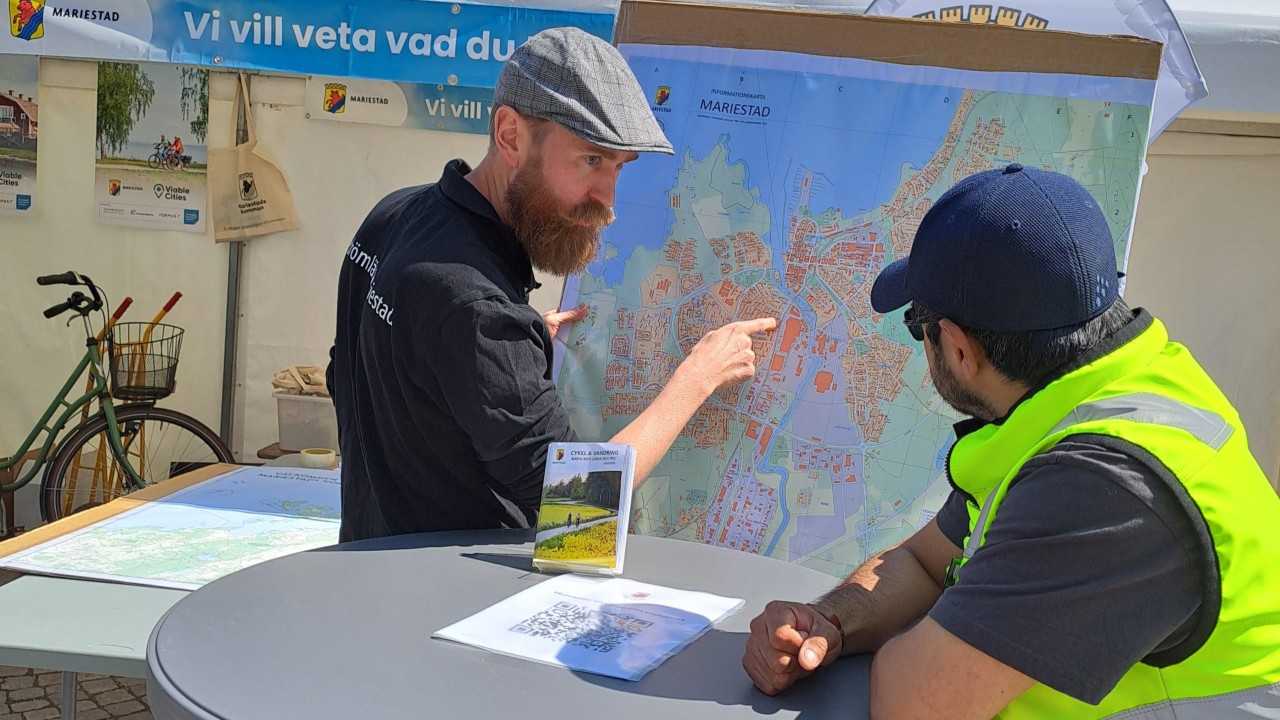
A Swedish industrial city places climate transition in a shopping mall — treating governance not as policy abstraction but as something residents encounter while buying groceries. The experiment tests whether municipal legitimacy can be built through visibility.
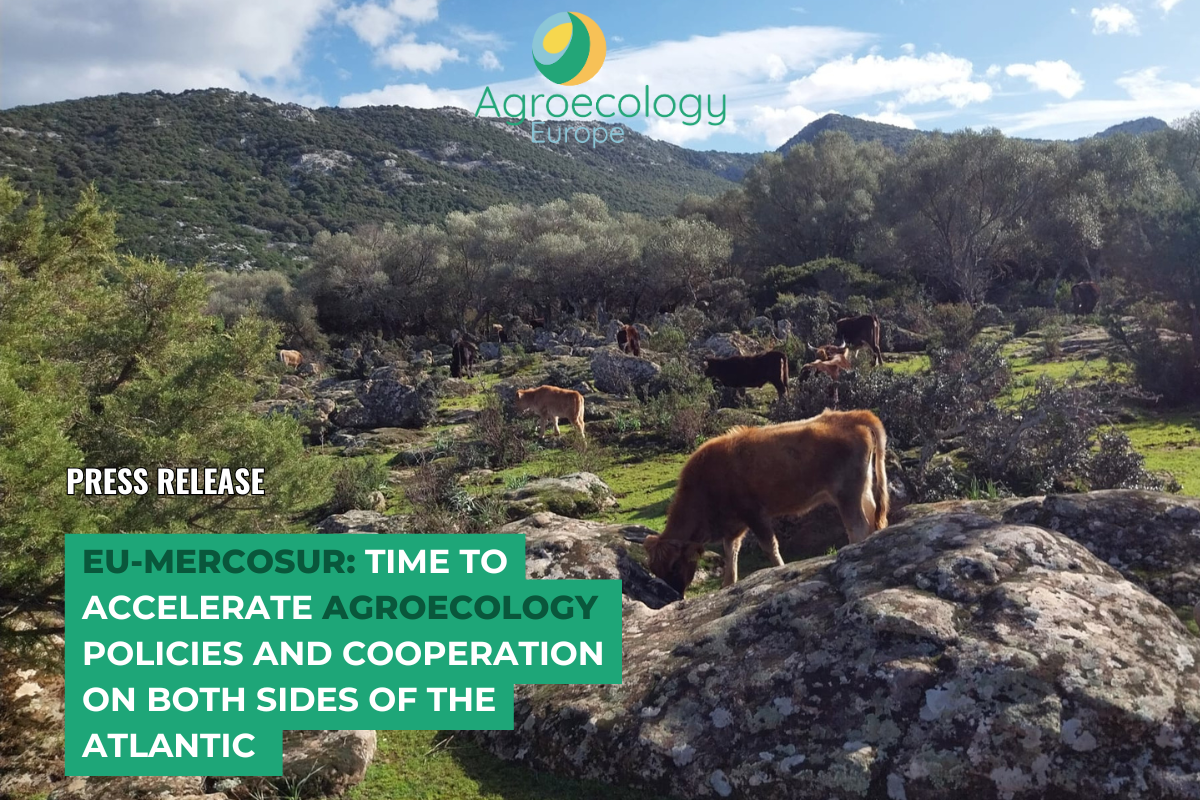
As the EU-Mercosur trade agreement advances despite farmer protests, Agroecology Europe argues both continents must accelerate agroecological policy — not as alternative, but as systemic governance strategy for food, climate, and rural resilience.
Climate Justice Alliance and 17 EJ organizations oppose EPA's proposed redefinition of protected waters — a case study in how regulatory rollbacks shift environmental harm to frontline communities while weakening federal accountability.
The Trump administration withdrew from the UNFCCC and 65+ other international bodies, making the US the only nation outside the foundational climate treaty. A stress test for multilateral governance in an age of unilateral retreat.
The Global Alliance for the Rights of Nature seeks interns across communications, tribunal support, and organizing — roles that build the operational capacity behind legal ecosystems protection and governance experimentation.
A frontline coalition created resources on AI infrastructure's environmental costs and trained 10 organizers in Memphis to challenge data center development — governance as ground-level strategy, not abstract policy.
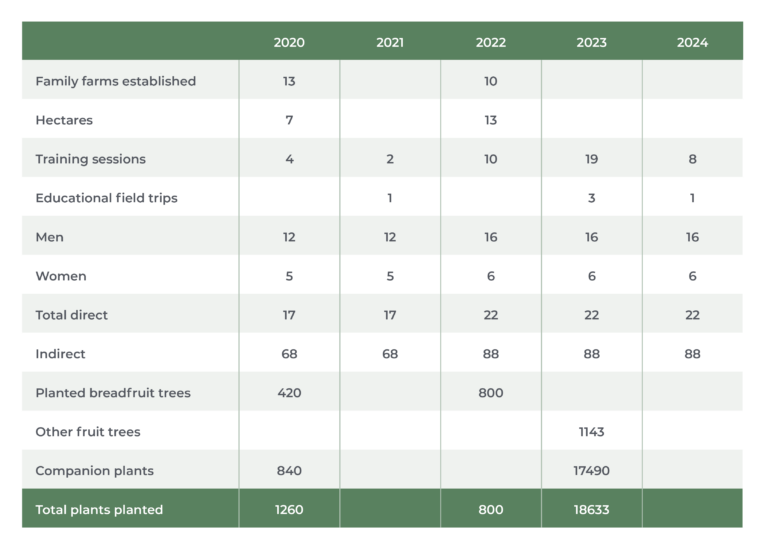
Over 20 hectares and 18,000 plants later, Jungle Project demonstrates how governance begins with land stewardship — training 22 farmers in regenerative agroforestry while building the market infrastructure to sustain it.
As political systems retreat from environmental pledges, Europe's agroecology network grows to 450+ youth members and convenes gatherings that bridge science, practice, and policy — testing governance models that treat food systems as living democratic experiments.